Architectural Steel Doors
CUSTOM DESIGNED AND FABRICATED
Steelguard creates architectural steel doors that combine refined aesthetics with exceptional durability. Every door is tailored to suit the project, delivering reliable performance, lasting quality, and a premium finish for residential and commercial applications.


The longer a door or window stays in use, the lower the environmental impact of the resources that went into creating it. We have 'Built to Last' and 'Built to Repair' philosophies, as well as our Revive programme (our way of keeping used-but-usable windows in circulation).
We hope to reduce demand for new low-cost doors and windows with shorter lifecycles and, in turn, reduce unnecessary waste.


Strong Welded Connections
Modern steel doors and windows date back to the 18th century and have seen significant developments in design, manufacturing processes, and architectural applications. Steelguard steel doors and windows can create the 'loft chic' look or timeless and elegant slim line doors, windows windows, and internal screens.
Below you can learn the history of steel architecture and why it has been used for so long.
A History of Steel Doors and Windows
Late 18th Century:
Introduction of Rolled Steel Sections: In the late 18th century, advancements in steel production technologies led to the availability of rolled steel sections. This innovation laid the groundwork for the mass production of steel doors.
Late 20th Century:
Competition from Aluminum: In the latter half of the 20th century,
aluminium doors gained
popularity as a competitor to steel. Aluminum offered advantages such as lighter weight and resistance to corrosion. However, steel is 3x stronger, and therefore smaller steel sections can be used, providing better sight lines and larger glazed areas when compared to timber, aluminum, and plastics. Working with Steel is substantially slower and largely hand-fabricated, thus increasing the cost of the finished product.
Early 19th Century:
Art Nouveau and Art Deco Influence: In the early 19th century, the Art Nouveau and Art Deco movements influenced architectural styles. Steel doors became popular for their ability to accommodate intricate designs and large, unobstructed glass panels, which aligned with the aesthetic preferences of these movements.
Industrial and Commercial Use: Steel doors gained popularity in industrial and commercial settings due to their strength, durability, and the ability to create expansive window openings.
1920s-1940s:
Modernist Movement: The Modernist architectural movement, which emerged in the early 20th century, favoured clean lines, functional design, and the use of industrial materials. Steel doors were embraced by architects like Le Corbusier and Mies van der Rohe during this period.Steel Casement Doors: The design of steel casement doors became prevalent. These doors featured a steel frame with hinged openings and were often used in both residential and commercial buildings. World War II Impact: During World War II, there were restrictions on the use of steel for non-essential purposes, affecting the production and use of steel doors. Post-War Period: After the war, there was a resurgence in the use of steel doors as economies recovered and construction boomed. Steel doors continued to be favoured for their sleek, modern appearance.
21st Century:
Resurgence in Popularity: In recent years, there has been a resurgence in the popularity of steel doors, driven by a renewed interest in industrial and minimalist design aesthetics.Advanced Manufacturing Techniques: Modern manufacturing techniques, including precision engineering and finishes, have enhanced the performance and aesthetics of steel windows. Modern corrosion protection in the form of hot zinc when combined with epoxy paints mean that your steel windows will last for generations.
Today:
Steel doors are celebrated for their timeless appeal, strength, and ability to complement a variety of architectural styles. Contemporary architects and homeowners often choose steel windows for their durability, design flexibility, and the ability to create large, elegant openings that allow abundant natural light into interior spaces.


Our People

Jordan is part of the fabrication team at Steelguard, working on the production of high-quality steel doors and windows.
An experienced steel fabricator, Jordan previously ran his own fabrication business for seven years before joining the team, bringing with him a strong practical understanding of workmanship, efficiency, and problem-solving down on the factory floor where he makes steel framing for all of our projects.
Jordan
Steel Fabricator
With over 10 years at Steelguard, Lucian is responsible for the day-to-day running of the factory floor. He oversees the team of welders and fabricators, ensuring production targets, quality standards, and safety requirements are consistently met.
He's also our key to making elegant and high-quality architectural pieces. Head of Ironcraft, he's got an eye for what looks right by using Steel, Stainless Steel, and Wrought Iron to make furniture.
Lucian
Operations Manager

Barrington Sofrana Buildings - Britomart Precinct
“We are pleased to say that Steelguard performed extremely well from the shop drawings stage through to manufacturing and installation. Without their teamwork, we would not have met our completion target. We have no hesitation in recommending Steelguard to any of their future clients and will continue to use them as our preferred Steel Joinery Sub-contractor.”
GLENN BRACEWELL
Bracewell Construction


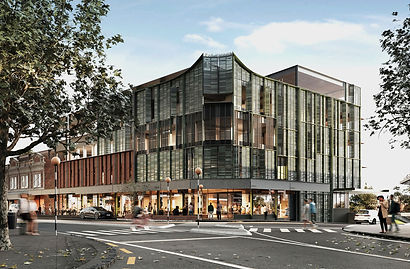
Bespoke Architectural Steel Windows And Doors For Design-Led Projects
Architectural steel windows and doors are often specified when a project needs slim sightlines, strong welded frames, generous glass areas and a level of detail that standard joinery cannot achieve. For commercial, hospitality, civic, retail and high-end residential projects, our steel joinery can be custom made around the opening size, glazing requirements, finish, hardware and design intent. This allows architects and project teams to create refined entrances, internal screens, shopfronts, pivot doors, sliding doors and fixed steel window frames that feel integrated with the building rather than added later. Where performance requirements are more complex, our architectural steel windows and doors can also be considered alongside Jansen and Vetrotech steel systems for projects that need specialist profiles, glazing or tested system support.
Frequently Asked Questions: Architectural Steel Windows And Doors
What Are Architectural Steel Windows?
Architectural steel windows are custom steel-framed window systems designed for projects where appearance, strength, proportion and long-term performance matter. They are often used to create slim sightlines, larger glazed areas, strong frame detailing and a distinctive steel finish.
Why Do Architects Use Steel Windows And Doors?
Architects often choose steel because it offers strength, clean detailing and design flexibility. Steel can support slim frame profiles, large glazed sections, custom shapes and strong welded connections, making it suitable for both contemporary architecture and projects with heritage or industrial design influences.
Are Steel Windows Suitable For Commercial And Hospitality Projects?
Yes. Steel windows and doors are well suited to restaurants, hotels, retail fit-outs, offices, public buildings and mixed-use developments. They can be used for shopfronts, internal partitions, entry doors, feature glazing, fixed screens and openings where durability and visual impact are both important.
Can Architectural Steel Doors Be Custom Made?
Yes. Architectural steel doors are all custom manufactured around the size, function, finish, hardware, glazing and access requirements of the project. This can include hinged doors, pivot doors, sliding doors, glazed steel doors and entry systems designed to suit the wider architectural intent.
Do Steel Windows Need To Look Industrial?
No. Steel windows can create an industrial or loft-style look, but they can also be refined, minimal, traditional or heritage-influenced. The final appearance depends on the profile, glazing layout, finish, hardware and surrounding building design.
Can Steel Joinery Be Used Inside A Building?
Yes. Steel joinery is often used internally for glazed partitions, office screens, restaurant divisions, stairwell glazing, feature doors and interior architectural details. Internal steel screens can help separate spaces while keeping light and visibility through the building.
Are Architectural Steel Windows Made To Standard Sizes?
Most architectural steel windows and doors are custom made rather than supplied in fixed standard sizes. This allows the system to suit the opening, project drawings, glazing requirements and desired proportions.
Can Architectural Steel Windows Be Combined With Fire Or Security Requirements?
Yes, some projects need architectural appearance as well as fire-rated or security performance. In these cases, the system needs to be selected carefully so the design intent, rating, glazing, hardware and installation requirements work together from the beginning.