Why Heritage Steel Windows Need Ongoing Maintenance: Lessons From The Dilworth Building

Updated: Aug 13

Heritage steel windows are often one of the strongest visual features of an older building. They hold the rhythm of the facade, frame light in a particular way and carry the detail that gives the building its character. When they are looked after properly, they can continue performing for decades.
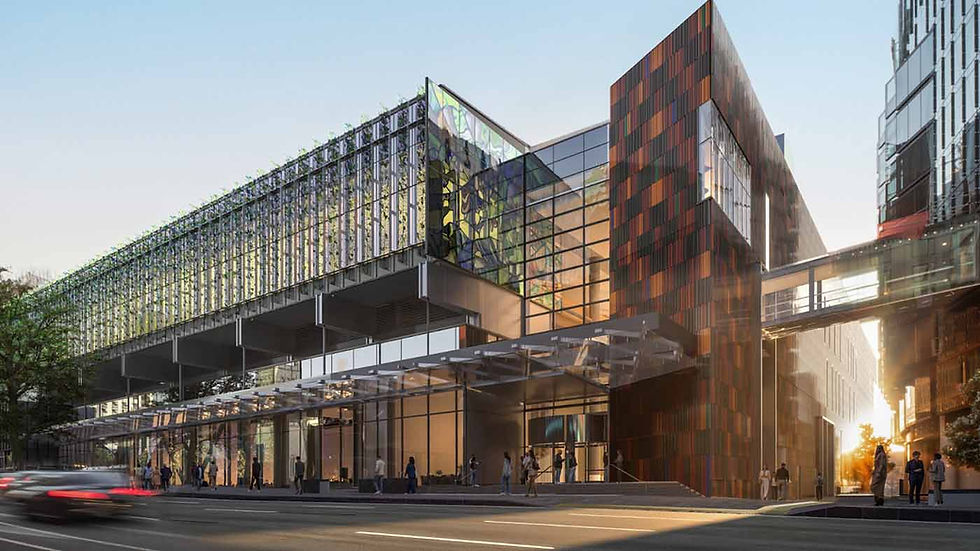
The Dilworth Building is a strong example of why ongoing maintenance matters. Steelguard provides phased maintenance and fit-outs for the building, helping keep its heritage steel windows in optimal condition. Our team regularly inspects and services the joinery, addressing wear and corrosion while preserving the historic character that makes the building so recognisable.
This kind of long-term work is different from a one-off repair. It is about understanding the building, maintaining a relationship with the asset and making careful decisions over time.
Why Heritage Steel Windows Need A Maintenance Plan
Older steel windows were built to last, but they still need care. Over time, weather exposure, movement, moisture, paint build-up, worn hardware and corrosion can affect how the windows look and operate.
A maintenance plan helps identify these issues before they become larger problems. Instead of waiting until a window is seized, damaged or leaking, regular inspections allow small works to be completed in stages.
For heritage buildings, this matters because the original joinery often has architectural value. Replacing it too quickly can remove part of the building’s identity. Maintaining it properly helps keep the original steel in service while improving reliability and performance.
Our steel window and door maintenance work is built around this idea. We look at condition, operation, glazing, seals, coatings, hardware and the wider building context before recommending the next step.
The Dilworth Building Approach
The Dilworth Building requires care that respects both performance and heritage character. Our ongoing involvement includes phased maintenance and fit-out work, with regular inspections to monitor the condition of the steel windows.
This includes identifying areas of wear, reviewing corrosion, checking operation and carrying out service work that helps keep the joinery functional. The goal is to protect the building’s historic appearance while making sure the windows continue to work in a modern environment.
Phased work is important on buildings like this. Heritage maintenance often needs to be planned around tenant use, access, site conditions, other trades and the wider programme of building works. A staged approach allows the building to remain active while the joinery is progressively maintained.
Preventative Maintenance Protects Original Character
Preventative maintenance is often the most effective way to protect heritage steel windows. It keeps attention on the small details that can affect long-term condition.
This may include:
Checking opening sashes and fixed frames
Inspecting signs of corrosion
Reviewing seals and glazing condition
Easing stiff or seized openings
Assessing hinges, handles, stays and catches
Touching up coatings where needed
Identifying areas that may need future repair
Recording condition for staged works
These tasks may seem simple, but they help prevent a minor issue from becoming a major restoration problem. They also help building owners plan works sensibly, rather than reacting when damage has already progressed.
Steel Window Refurbishment Versus Replacement
A key part of heritage work is deciding when to repair, when to refurbish and when replacement is necessary.
Steel window refurbishment is often suitable when the main frame still has good structural value, but parts of the system need attention. This might involve treating corrosion, replacing damaged sections, improving movement, reglazing, refinishing or restoring hardware.
Replacement may be needed if the steel has deteriorated too far, the window no longer suits the building’s use, or the required performance cannot be achieved through repair. Even then, replacement in a heritage context needs to be handled carefully so the new work respects the original proportions and visual language.
Our heritage steel windows and doors service focuses on this balance. Where original steel can be retained, we aim to retain it. Where new work is needed, we manufacture with the building’s character in mind.
Hardware And Small Details Matter
The performance of a heritage steel window is not only about the frame. Handles, hinges, stays, catches and other ironmongery all affect how the window operates and how authentic it feels.
On older buildings, original hardware can be difficult to replace with standard modern components. The wrong hardware may look out of place, fail to fit correctly or change the way the window functions.
Our hardware and ironmongery for steel windows and doors work supports this part of the process. Where possible, we assess whether original components can be repaired or reused. Where parts are missing or no longer serviceable, we can look at matching or reproducing suitable items.
In heritage maintenance, these details matter because they preserve the feel of the building as well as the function of the joinery.
Keeping Heritage Buildings Working For Modern Use
Heritage buildings are not static. Many are active commercial, civic, education or mixed-use spaces. They need to keep working while still preserving the features that make them valuable.
This creates a practical challenge. The windows need to look right, operate safely, resist weather, support comfort and fit within ongoing building use. Maintenance helps bridge that gap between historic fabric and modern expectations.
The Dilworth Building shows how a long-term maintenance relationship can support this. Instead of treating the windows as isolated repair items, the work becomes part of the building’s wider care strategy.
Protecting Heritage Steel For The Future
Heritage steel windows need ongoing maintenance because they are both working building components and important architectural features. They need to open, close, seal and endure, but they also need to keep the character of the building intact.
The Dilworth Building demonstrates what can be achieved through phased care, regular inspections and a practical maintenance approach. By addressing wear and corrosion early, servicing the joinery and preserving the original character, heritage steel windows can continue contributing to the building for many years.
If your building has original steel windows, the best first step is an assessment. From there, we can help determine whether the joinery needs maintenance, repair, refurbishment or carefully considered replacement.


Comments