Heritage Meets Modern Use: Steel Windows And Doors For The Ponsonby Pompallier Redevelopment

Updated: Jun 29

Historic buildings need careful handling when they are brought into modern use. The goal is not to freeze a site in time, but to protect the character that gives it value while allowing the building to work for the people who will use it next.
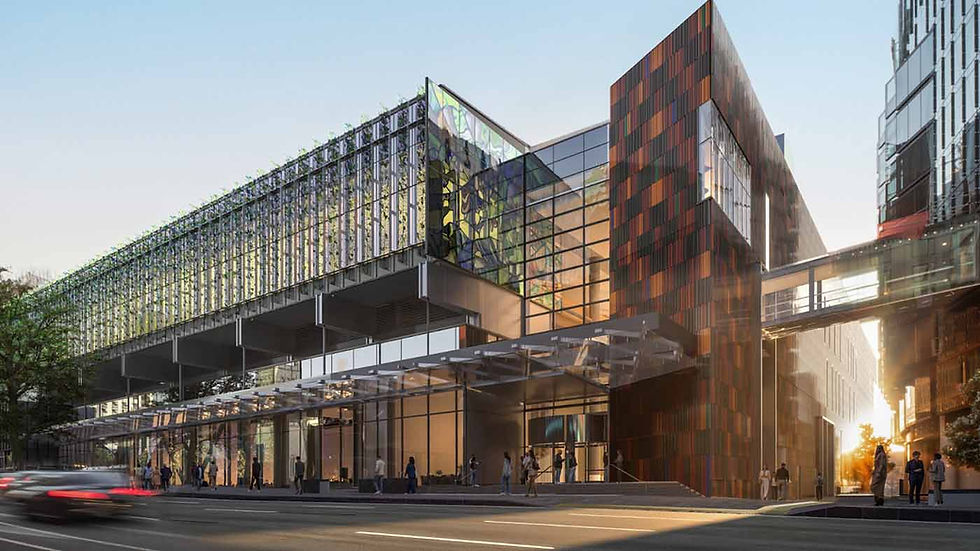
The Ponsonby Pompallier redevelopment is a strong example of that balance. This ongoing project involves redeveloping a historic site into a multi-use precinct.
For us, projects like this show why steel remains such an important material in heritage and adaptive reuse work. It brings strength, longevity and architectural clarity, while still allowing new joinery to respect the proportions and character of an older site.
Why Heritage Sites Need A Different Approach
A historic site carries layers of use, detail and memory. Windows, doors, openings, facade lines and internal thresholds all contribute to the way the building is understood. When a site is redeveloped for modern use, those details need to be considered carefully.
Standard joinery can easily feel out of place in a heritage setting. It may not match the original proportions, depth, frame language or visual weight of the building. Steel gives project teams a stronger platform for this kind of work because it can be fabricated to suit the project, rather than forcing the project to suit a standard product.
Our heritage steel windows and doors work is built around this principle. We look at the building, the existing fabric, the intended use and the long-term needs of the site before deciding how new or refurbished steel joinery should be approached.
The Ponsonby Pompallier Project
The Ponsonby Pompallier redevelopment brings together heritage character and modern function in an evolving urban setting. As the site is adapted into a multi-use precinct, the windows and doors need to support several outcomes at once.
Steelguard’s involvement includes supplying steel doors and different types of steel windows for the ongoing project. These elements form part of the building’s practical operation, but they also influence how the historic site feels as it moves into its next life.
Blending Heritage Character With Modern Performance
A successful heritage redevelopment depends on restraint as much as intervention. The new work should support the building without overwhelming it.
Steel windows and doors can help achieve this because they offer slim sightlines, strong welded frames and a level of detail that feels appropriate in both historic and contemporary settings. They can be used to create new openings, replace unsuitable joinery, support internal divisions or provide door systems that feel robust enough for modern occupancy.
Our architectural steel windows and doors are often used where the joinery needs to form part of the architecture, rather than simply fill a gap. In heritage settings, that means the frame profile, glazing pattern, finish, hardware and installation details all need to be considered together.
Adaptive Reuse Needs Long-Term Thinking
Adaptive reuse is about giving an existing site a new purpose. That might mean turning an older building into a hospitality precinct, mixed-use development, workplace, retail environment, community space or apartment setting.
The challenge is that these buildings often have to work harder than they did in the past. They may see greater foot traffic, new building services, changed layouts, modern access requirements and new expectations around safety, comfort and durability.
Steel is well suited to that challenge. It provides a long service life when specified, finished and maintained correctly. It can also be repaired and refurbished over time, which matters when the goal is to keep the character of the building intact for future generations.
This connects closely with our wider maintenance approach. Our steel window and door maintenance services help building owners protect steel joinery across its life, whether the project involves older heritage fabric, new steel systems or a combination of both.
Preserving The Past While Building For The Future
Heritage redevelopment is not only about appearance. It is also about responsibility. Once character is lost, it is difficult to recover. The right joinery decisions can help retain the rhythm, texture and visual strength of a building while allowing the site to serve a new purpose.
This is where experience in steel fabrication matters. A heritage project often requires judgement around what should be retained, what can be remade and what needs to be introduced as new work. It may also involve coordination with architects, heritage consultants, builders and project managers so the finished result feels coherent across the site.
For Ponsonby Pompallier, the focus is on respecting the historic value of the site while supporting the demands of a modern precinct. Steel windows and doors sit naturally within that brief because they can carry the character of the old and the performance of the new.
Steel Joinery For Evolving Urban Spaces
Auckland’s older buildings are increasingly being adapted for new use. These projects add depth to the city because they keep historic fabric active rather than leaving it behind.
The Ponsonby Pompallier redevelopment is part of that wider story. It shows how a historic site can be prepared for modern life while still holding onto the character that makes it valuable.
For project teams working on heritage buildings, multi-use precincts or adaptive reuse developments, steel windows and doors offer a practical way to connect past and future. They provide strength, detail, longevity and design flexibility in one system.
If you are planning a heritage redevelopment or adaptive reuse project, involve us early. We can help assess the role of steel joinery, manufacture windows and doors to suit the project, and support a result that respects the existing building while preparing it for long-term use.


Comments