Inside Auckland’s City Rail Link: The Fire-Rated Glass Behind Two Major Stations


Auckland’s City Rail Link (CRL) is already changing how people move through the city. After opening to passengers in September 2026, the long-awaited rail connection recorded more than one million train boardings in its first two weeks. But beyond the trains, tunnels and impressive station architecture, another layer of engineering helps make this major infrastructure project possible.
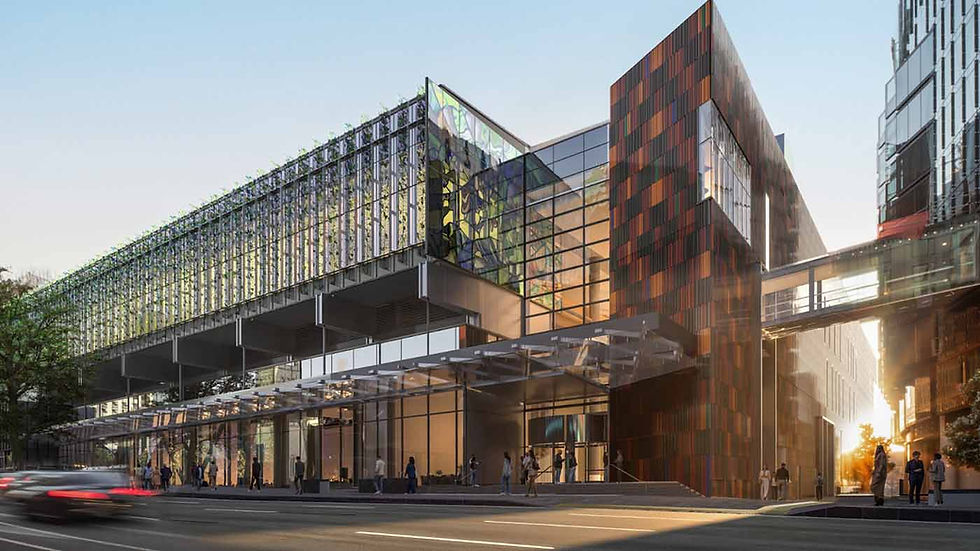
Steelguard played a part in delivering the new rail connection, supplying specialist fire-rated glazed screens and fixed windows for Karanga-a-Hape and Maungawhau stations.
Why Is Auckland’s City Rail Link Such a Big Deal?

The City Rail Link is one of New Zealand’s most significant transport infrastructure projects. Its 3.45-kilometre twin tunnels connect the city centre with Auckland’s existing rail network, allowing trains to travel through the heart of the city rather than terminating at the downtown waterfront.
The project includes two new underground stations, Karanga-a-Hape and Te Waihorotiu, alongside major upgrades to Maungawhau and Waitematā stations. Together, these changes are designed to improve connectivity, increase network capacity and make public transport a more practical option for Aucklanders.
Early passenger numbers suggest the transformation is already making an impact. More than 1.03 million train boardings were recorded in the first two weeks, while the busiest day saw 85,289 boardings. These figures highlight the scale of demand for a better-connected Auckland.
With thousands of passengers moving through the network, the infrastructure inside these stations needs to meet demanding requirements for safety, durability and performance.
Steelguard’s Role: Fire-Rated Glazing at Karanga-a-Hape and Maungawhau

Behind the visible architecture of a modern railway station are specialist building systems designed to perform under specific conditions. Fire-rated glazing is one such component, helping maintain designated fire separations while allowing light and visibility through internal spaces.
For the City Rail Link, Steelguard supplied fire-rated fixed glazed screens and fixed windows for both Karanga-a-Hape, also known as K Road, and Maungawhau, commonly known as Mount Eden.

The glazing systems incorporated CONTRAFLAM 60 fire-resisting glass, with specified fire performance ratings of -/60/60sm and -/120/120sm.
These classifications relate to the required performance of the installed glazing assembly. Depending on the specification, this can include integrity - resisting the passage of flames and hot gases - and insulation, which limits heat transfer to the unexposed side. The “sm” designation indicates a smoke-control requirement.
Selecting the appropriate fire-rated glass and framing system is essential. The complete assembly must meet the project’s specified performance requirements, not simply rely on the glass alone. Check out Steelguard's Fire Doors
The Challenges of Installing Fire-Rated Windows

Working on a major transport project brings challenges that extend well beyond manufacturing a window or glazed screen.
At the CRL stations, restricted site access made installation more complex. Working within an active construction environment required careful coordination, planning and attention to health and safety requirements.
The design stage was equally demanding. The fixed windows and glazed screens needed to meet precise fire and acoustic performance specifications, requiring close attention to the details of each system.
Fire-rated glazing is a specialist area of architectural steel joinery. Glass, steel framing, seals and installation details must work together as a tested or appropriately assessed system. Getting these details right is critical when the finished assembly forms part of a building’s fire safety strategy.
For projects of this scale, early technical coordination helps ensure that design requirements, site constraints and installation methods are considered together.
Engineering the Details Behind Auckland’s Future

The City Rail Link demonstrates how major infrastructure projects rely on many specialist disciplines working together. While passengers will experience faster connections and easier journeys across Auckland, the stations themselves depend on carefully engineered building components to meet their functional and safety requirements.
At Steelguard, we manufacture and install custom steel windows, doors and fire-rated glazing systems for complex commercial and infrastructure projects across New Zealand. Our work on Karanga-a-Hape and Maungawhau stations reflects the technical coordination required to deliver specialist glazing within demanding construction environments.
As Auckland continues to grow, projects like the CRL will play an important role in shaping the city’s future. And behind the infrastructure people see every day are the carefully considered details that help these buildings perform as intended.
Planning a project that requires fire-rated steel windows or glazed screens? Talk to Steelguard about your project. Photo credits to City Rail Link Ltd (cityraillink.co.nz) and Auckland Transport (https://at.govt.nz/)


Comments